Neutron backscatter
imaging revealing internal
process conditions

Neutron Backscatter – How it Works

Neutron backscatter technology is used in oil refining and petrochemical facilities to perform non‑intrusive measurements in situations where conventional instrumentation cannot operate reliably. These systems are typically installed outside process vessels, enabling inspection and monitoring without process interruption or direct contact with hazardous materials.

By exploiting the strong interaction between neutrons and hydrogen‑rich materials, neutron backscatter devices provide real‑time insight into internal process conditions. Variations in neutron scattering behaviour allow operators to detect and monitor the presence and distribution of materials such as hydrocarbons, coke deposits, foams, or liquids inside metal vessels— capabilities that are difficult or impossible to achieve using conventional sensors or x‑ray techniques.

Neutron backscatter devices for refining

Neutron backscatter devices are particularly valuable in refining and petrochemical applications involving:

  • High temperatures, where in‑situ probes and electronics are unsuitable
  • High pressures, limiting physical access or penetration
  • Fouling, foaming, or coke formation, where internal build‑up obscures conventional measurements
  • Limited physical access, including sealed vessels or complex geometries

In these conditions, externally mounted neutron systems provide a robust, low‑maintenance solution for continuous or periodic monitoring without compromising process integrity.

Typical refinery applications

  • Detection and monitoring of coke build‑up in reactors and furnaces
  • Identification of liquid levels, foams, or phase boundaries inside vessels
  • Process diagnostics in hydrocrackers, reformers, and distillation units
  • Support for maintenance planning and operational safety without shutdown

Downloads

Lithium-6 Glass

Why Scintacor?

Scintacor supplies specialist lithium‑6‑based scintillation materials used in neutron detection systems for refining applications.

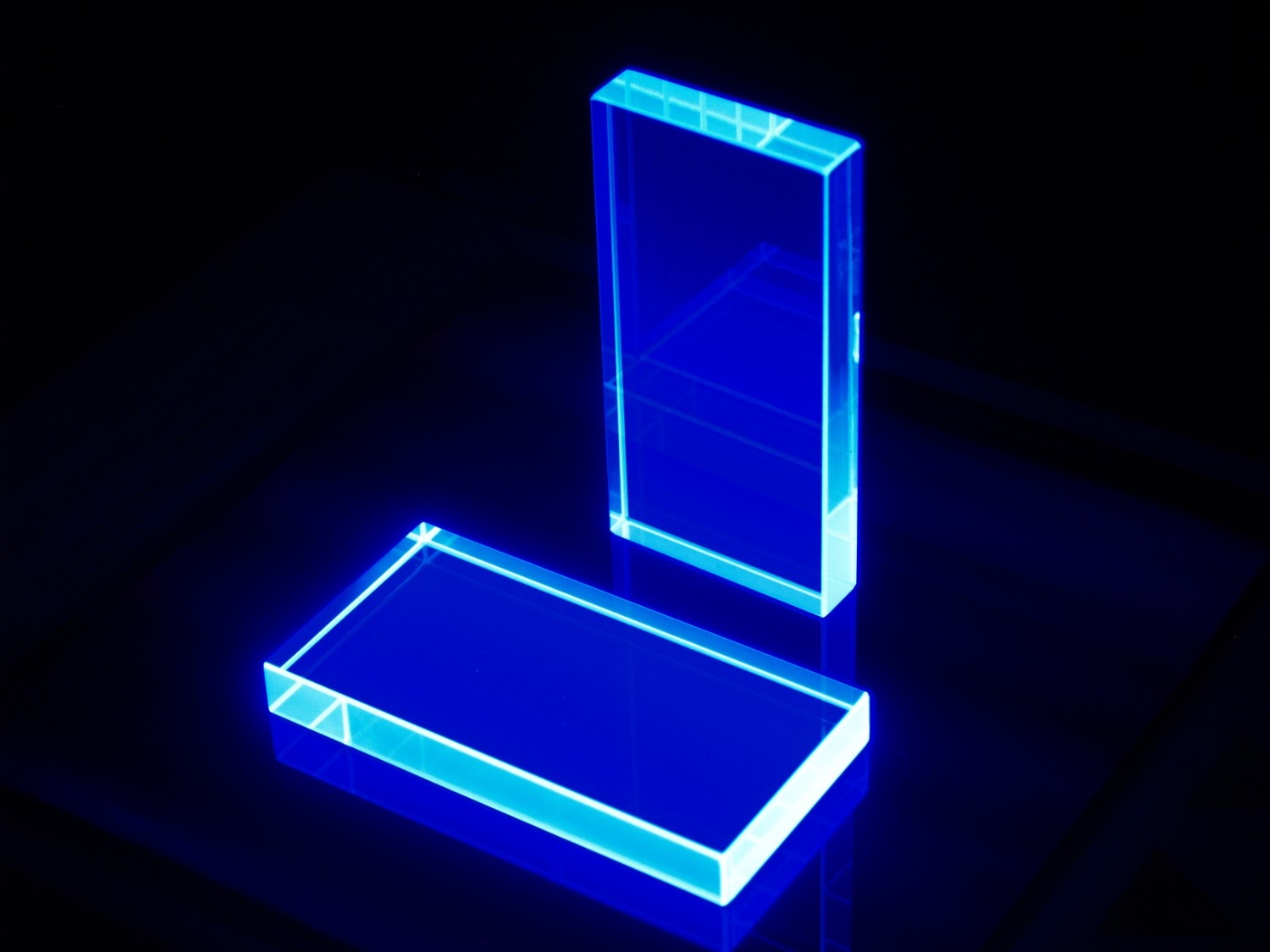
These materials convert back‑scattered neutrons into visible light, enabling reliable measurement of hydrogen‑rich materials inside process equipment. Designed for industrial environments, Scintacor scintillators support detector performance where long‑term stability, robustness, and measurement confidence are essential.

Contact Us

Need robust neutron detection for high-temperature, high- pressure refining applications?

Contact us to explore lithium-6 scintillators designed for neutron backscatter measurement systems.

+44 (0)1223 223 060
info@scintacor.com

Frequently asked questions

It is a non-intrusive measurement technique used in refining and petrochemical facilities to “see” through vessel walls. By deploying a system outside the equipment, operators can monitor internal process conditions without direct contact with hazardous materials or interrupting production.

The system exploits the strong interaction between neutrons and hydrogen-rich materials. Fast neutrons are emitted into the vessel; when they collide with hydrogen atoms (found in hydrocarbons, water, or coke), they slow down and “backscatter” toward the detector. Scintacor’s lithium-6 glass scintillators then convert these backscattered neutrons into visible light for real-time analysis.

Traditional sensors often fail in high-temperature, high-pressure, or heavy-fouling environments. Unlike in-situ probes, neutron backscatter systems are solid-state and externally mounted, meaning they don’t clog, corrode, or require vessel modifications to provide reliable data.
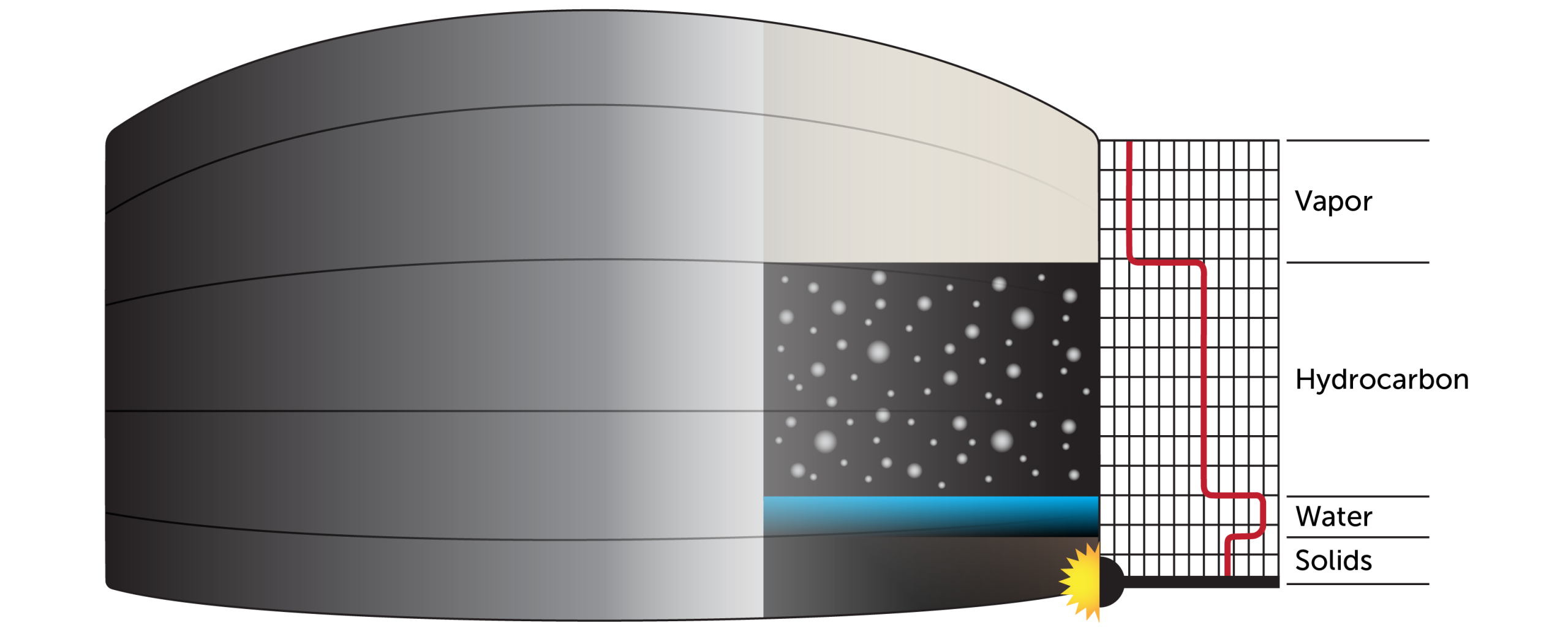
These systems are ideal for detecting and monitoring the presence and distribution of:

  • Hydrocarbons and liquid levels.

  • Coke deposits and cake build-up in reactors.

  • Foams and phase boundaries that are otherwise invisible to X-ray or ultrasonic sensors

It is most valuable in critical refinery units where physical access is limited, such as hydrocrackers, reformers, and distillation units. It is also essential for monitoring reactors and furnaces where extreme heat makes conventional electronics unsuitable.


No. One of the primary advantages of using Scintacor-based detection systems is that they are installed outside process vessels. This allows for continuous monitoring and diagnostics without any process interruption or costly downtime.


Scintillation materials are the “eyes” of the detector. Scintacor’s specialized lithium-6 glass converts backscattered neutrons into measurable light pulses. This material is chosen for its robustness, long-term stability, and high sensitivity, ensuring measurement confidence in harsh industrial environments.


By providing real-time insight into internal fouling and build-up, it allows for data-driven maintenance planning rather than “best-guess” scheduling. This prevents emergency shutdowns, reduces the risk of vessel overfill (foam-over), and ensures the facility operates within safe mechanical limits.


Contact Us

125 Cowley Road
Cambridge Commercial Park
Cambridge, CB4 0DL
United Kingdom

Phone:
+44 (0) 1223 223 060
Email:
info@scintacor.com